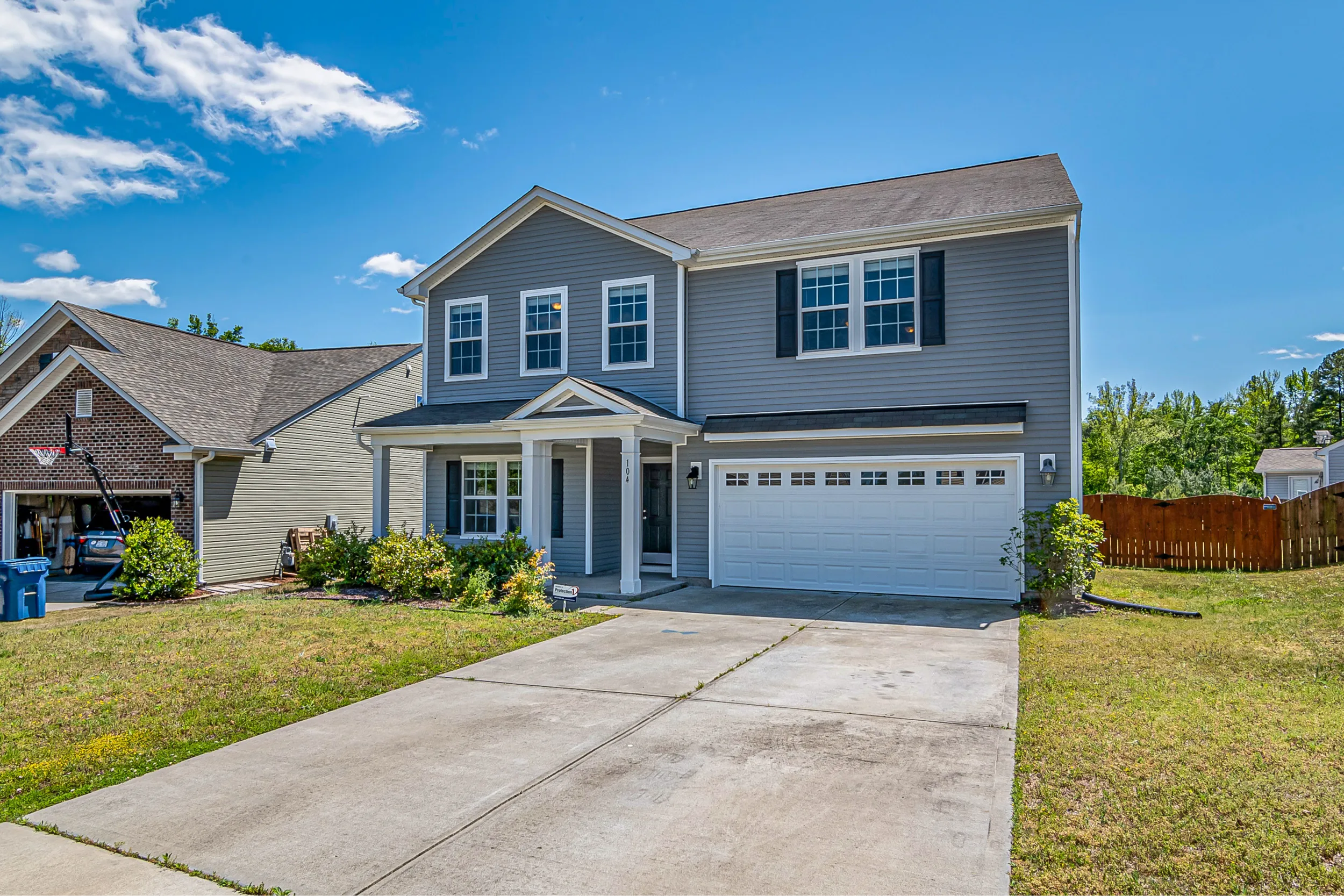
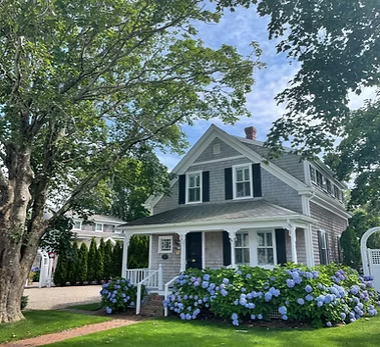
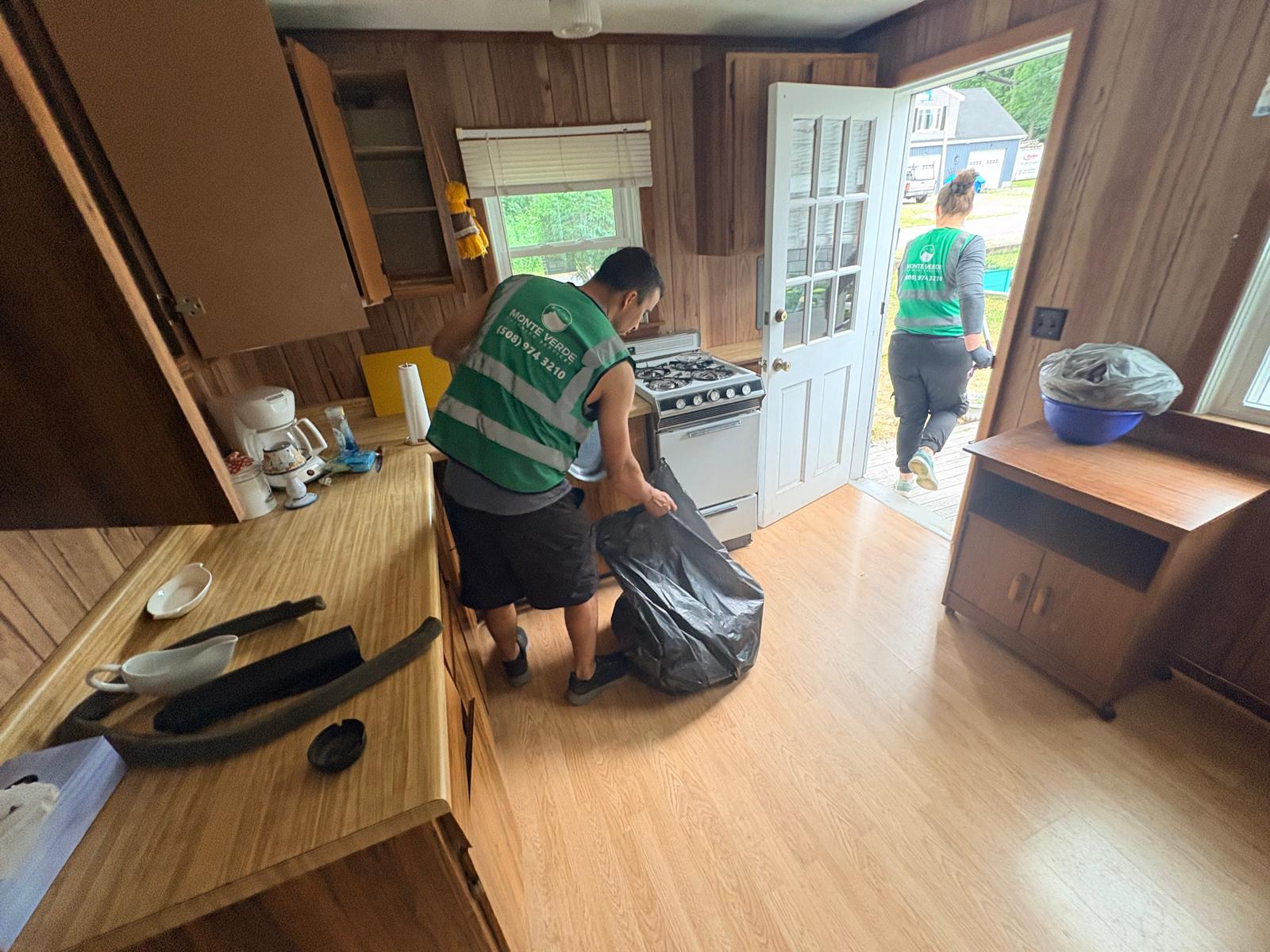
Managing estate liquidations and residential cleanouts on Aquidneck Island requires adapting operations to Newport's distinctive historic architecture and tight coastal geography. In historic districts like the Point, Historic Hill, and downtown harbor areas, properties feature 18th-century colonials, narrow cobblestone or one-way lanes, and strict right-of-way regulations. These dense settings frequently prohibit staging oversized 30-yard commercial roll-off dumpsters in front yards or on municipal streets. Instead, cleanout operations must rely on agile mobile box trucks, coordinated load-and-haul sequences, and interior architectural protection to preserve delicate historic door jambs, narrow winding staircases, and antique wide-plank flooring.
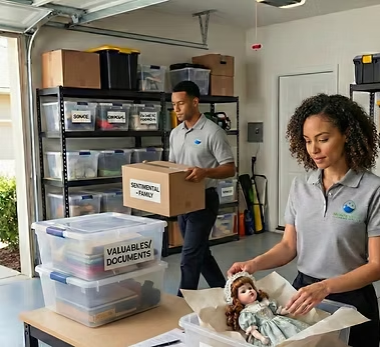
Along Bellevue Avenue, Ocean Drive, and surrounding coastal pockets, sprawling multi-story estates and summer cottages present different challenges—massive square footages, carriage houses, attics, and multi-generational accumulations. Island waste disposal logistics require strict coordination. Newport County does not host its own high-capacity commercial municipal landfill; bulk debris and non-salvageable household junk must be routed through regional Aquidneck Island transfer depots or transported off-island across the Claiborne Pell Newport Bridge or Mount Hope Bridge to the Rhode Island Central Landfill in Johnston. To minimize heavy hauling expenses and disposal fees, strategic on-site sorting diverts quality furniture, architectural salvage, and usable household goods to local Newport County charity partners, while marine chemicals and paints are directed to municipal hazardous waste collection facilities.